


Why Choose a Boutique Hotel in Porto City Centre
Porto rewards the traveller who lingers. A tiled façade catches the afternoon light, a small wine bar fills with conversation, and the river appears at the end of a steep, cobbled street. Choosing a boutique hotel in Porto city centre places these moments within easy reach, while offering something the larger hotels often cannot: a sense that you have arrived somewhere with a story of its own.
For a city break shaped by architecture, art, long lunches and unhurried walks, the right address matters. Porto is wonderfully compact in spirit, yet its hills can make a seemingly short distance feel rather different after dinner. A central boutique stay gives you the freedom to follow your curiosity, then return to a quiet and beautiful room when the city becomes lively.
What makes a boutique hotel in Porto city centre special?
A boutique hotel is not simply a smaller hotel with attractive cushions. Its appeal lies in character, scale and a personal connection to place. In Porto, that may mean an eighteenth-century house restored with care, original proportions alongside contemporary details, and interiors that reflect the city’s creative life rather than an international formula.
The smallest properties tend to feel more residential. There may be fewer rooms, a more intimate breakfast setting and spaces designed for pausing rather than passing through. This is especially welcome after a day spent climbing towards Clérigos, crossing to Vila Nova de Gaia, or wandering through the layered streets around Cedofeita and the historic centre.
Individuality also changes the rhythm of a stay. Instead of returning to a corridor that could be anywhere, you return to a room with its own colours, art and outlook. For design-conscious guests, this distinction is not decorative excess. It is part of the pleasure of travelling: being surrounded by details that could only belong to Porto.
A central location, without sacrificing tranquillity
Porto city centre is not one single mood. Around Ribeira, the riverfront is animated and picturesque, with terraces, boats and a steady flow of visitors. Near São Bento and Aliados, grand civic architecture sits close to shops, galleries and transport. Cedofeita has an independent, creative energy, while the streets above the Douro offer glimpses of the city’s older residential character.
The ideal location depends on the stay you have in mind. If your priority is being at the heart of late-night activity, a room directly beside the busiest streets may suit you. If you prefer to sleep well, take breakfast at leisure and still walk to restaurants and landmarks, a quieter central address is often the more considered choice.
A private garden is particularly precious here. Porto is a vibrant World Heritage City, but it is also dense, hilly and full of sensory delights. A green space behind a historic wall creates a gentle contrast: the scent of camélias, birdsong in the morning, and a terrace where a glass of wine can be enjoyed before stepping back into the evening. It gives the city-break guest both proximity and retreat.
Historic architecture that feels lived in
Porto’s beauty is not polished into uniformity. Its charm comes from granite staircases, weathered shutters, ornate iron balconies and houses that hold centuries of adaptation. Staying in a carefully restored historic property brings you closer to that character, particularly when restoration respects the building rather than disguising it.
There is a balance to look for. Historic architecture can bring generous ceilings, textured walls and a compelling sense of place, but older buildings may also have staircases, varied room layouts and the occasional idiosyncrasy. Guests who value easy lift access, identical room dimensions or extensive on-site facilities may find a larger contemporary hotel more suitable.
For many travellers, however, those variations are precisely the point. A house with nine distinctive rooms can offer a more memorable experience than a property with hundreds. Each stay feels less like occupying a unit and more like being welcomed into a home shaped by Porto’s past and present.
At Casa Camélia, an eighteenth-century manor house is accompanied by a romantic and vast private garden, while rooms feature original artworks by Porto artist Marta Vilarinho de Freitas. This meeting of local art, historic fabric and considered comfort captures what a truly boutique stay can offer: not a stage set, but an authentic extension of the city outside.
The pleasure of exploring on foot
One of the strongest reasons to choose a boutique hotel in Porto city centre is the simple luxury of walking. Begin with breakfast, set off without a timetable, and allow the day to unfold through streets that invite detours. The tiled beauty of São Bento Station, the views from Clérigos Tower, the bookshops, churches and small independent shops of the centre can all be part of a leisurely route.
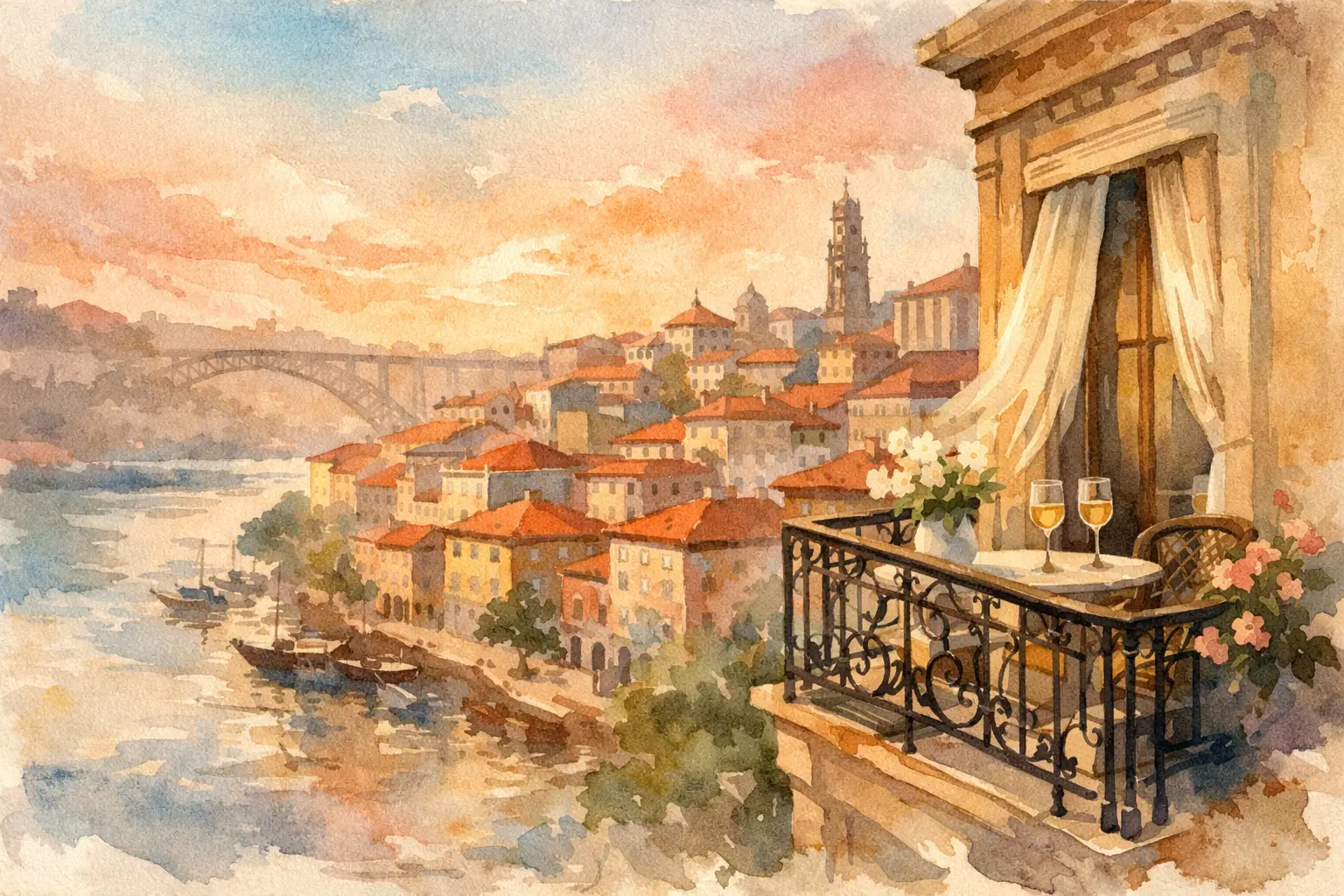
The Douro is never merely a landmark. Descending towards the river changes the light, the air and the pace of the city. On the quayside, the colourful façades of Ribeira face the port lodges across the water in Gaia. You may take a boat, cross the Dom Luís I Bridge, or simply settle at a table and watch the river traffic pass.
A central base makes spontaneous decisions easier. You can return for an afternoon rest before dinner, change for an evening concert, or leave a museum when the sun appears and follow it towards a viewpoint. This flexibility is particularly valuable in Porto, where the steep hills deserve sensible footwear and a little kindness to the legs.
Choosing the right room for your kind of city break
Before booking, consider how you wish to spend your time rather than focusing only on a room photograph. Couples may value garden views, a generous bed and a peaceful setting after evenings in the city. Solo travellers may prefer a compact, beautifully designed room in a sociable central neighbourhood. Friends travelling together should check room configurations carefully, as historic houses often have layouts that vary from one room to the next.
Breakfast is worth considering too. Porto has excellent cafés, and there is pleasure in seeking out a pastel de nata or a warm pão de queijo during the day. Yet a generous morning buffet in a calm setting provides an easy beginning, particularly before a Douro Valley tour or an early train along the coast.
It is also wise to think beyond the city centre. Porto makes a wonderful base for beach walks in Foz, surf lessons, cycling and hikes, as well as vineyard landscapes further inland. A smaller hotel with knowledgeable hosts can be especially helpful when you want local perspective on timing, transport and the character of different excursions.
Let Porto set the pace
The finest city breaks leave room for the unplanned. Reserve the dinner you truly want, of course, and give the great sights their due. But leave an afternoon open for a gallery found by chance, a second glass of vinho verde in a quiet square, or a slow walk back through streets that look entirely different after rain.
Choose a place to stay that makes those pauses feel as valuable as the itinerary. In Porto, a peaceful room, a garden in bloom and the Douro within walking distance can turn a good visit into an unforgettable experience.